
Café Nunes (Café da Fajã dos Vimes) – Ilha de São Jorge
O Café Nunes está localizado na costa sul da Ilha de São Jorge, na Fajã dos Vimes, com uma população de cerca de 70 pessoas e que fica na freguesia de Rica Seca no Concelho da Calheta.
O café que é servido no Café Nunes, o Café da Fajã dos Vimes, é muito conhecido por – durante muito tempo – ter sido o único café produzido na Europa. O proprietário do Café tem uma pequena plantação de café atrás da sua casa, e é lá que é produzido e preparado pela própria família.
Muitos turistas visitam a pequena fajã para conhecer o Café Nunes e provar o saboroso café, que é diferenciado por ser biológico e possuir uma textura e aroma especiais.
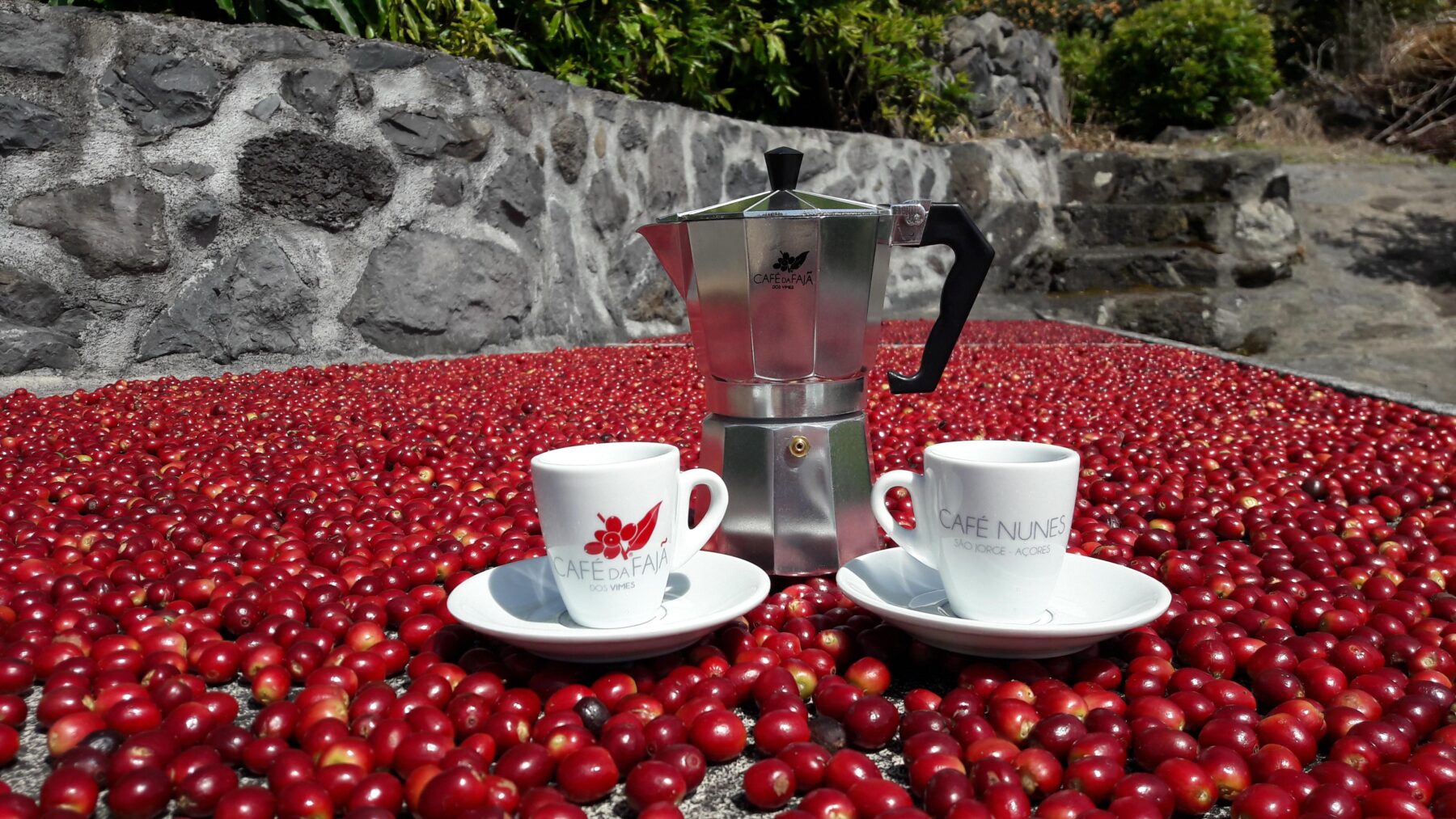
(C) Café Nunes @ Google
Além do Café Nunes, a família Nunes também é conhecida pelo artesanato. As mulheres da família fazem tecelagem tradicional e fabricam tapetes. À entrada da Fajã é possível identificar uma placa onde diz “Café da Fajã Nunes e Casa de Artesanato Nunes”, as duas grandes atrações da Fajã dos Vimes.
Índice de conteúdos
História do Café Nunes
Em finais do século XVIII um homem, que possivelmente teria sido o bisavô do proprietário Manuel Nunes, emigrou para o Brasil e foi trabalhar numa fazenda de plantações de café. No início do século XIX, regressando à ilha de São Jorge, resolveu trazer consigo algumas sementes do café arábica, o que deu origem ao famoso café da Fajã dos Vimes.
O café adaptou-se bem ao clima das fajãs. A primeira plantação de café na ilha foi feita na Fajã de São João e só depois foi levada para a Fajã dos Vimes. Outras fajãs possuem as plantas, porém apenas o senhor Manuel Nunes tem uma plantação para produção.
O Senhor Nunes
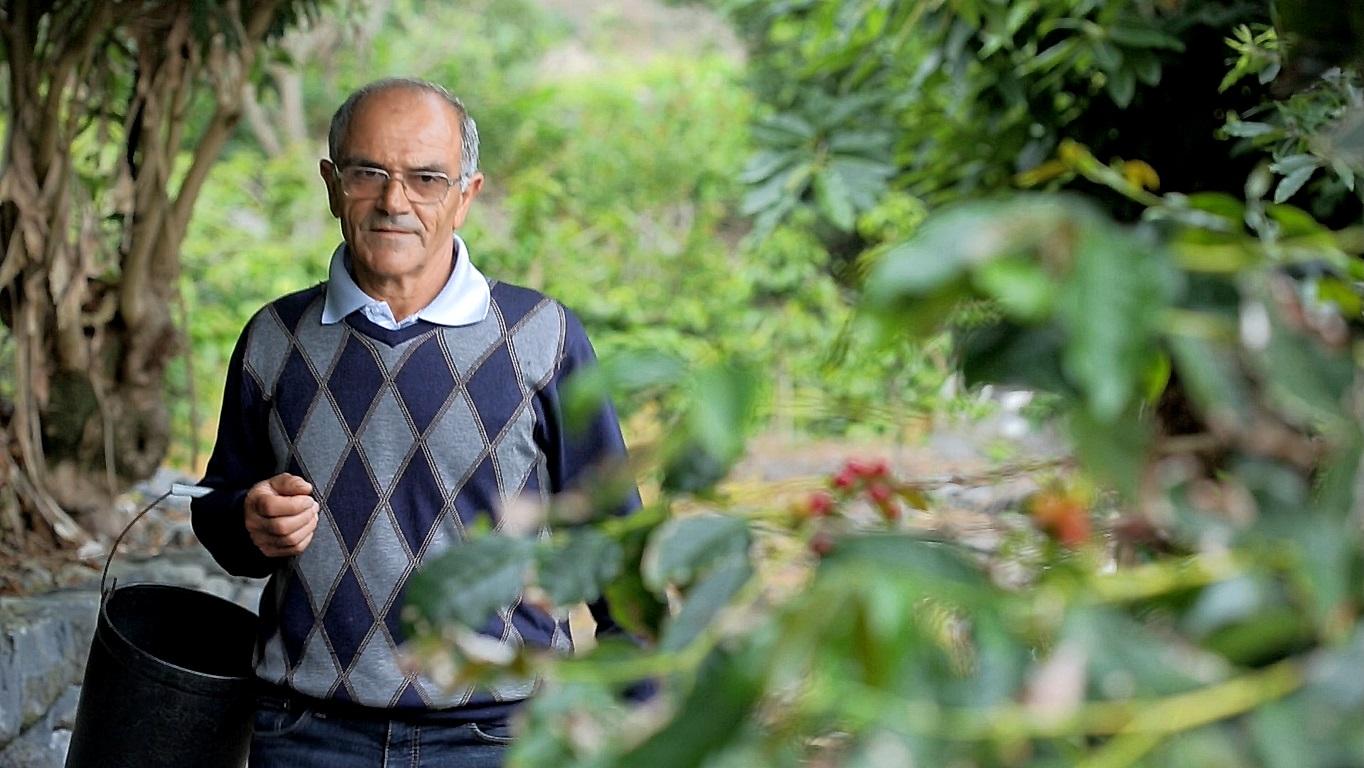
(C) Café Nunes @ Google
Manuel Nunes é o proprietário do Café Nunes e o responsável pela produção do seu próprio café. Quando comprou o terreno – há cerca de duas décadas – havia apenas algumas plantas, mas ele foi aumentando a área de plantação e a cada ano a produção aumenta.
Plantação e Produção do Café
Manuel tem mais de 500 pés de café plantados nos terrenos que ficam atrás da sua casa. O Café Nunes é o único da fajã dos Vimes que o vende, sendo o único lugar na ilha que é possível experimentá-lo.
A produção é pequena, no início era para produção própria, mas actualmente é a maior produção do arquipélago. Manuel produz mais de 700 kg por ano. O processo é todo manual, ele cultiva os grãos, seca ao sol, torra-os no fogão em casa e depois serve no seu próprio café. O café tem um sabor diferenciado, quem provou diz que tem um sabor forte e é inconfundível.
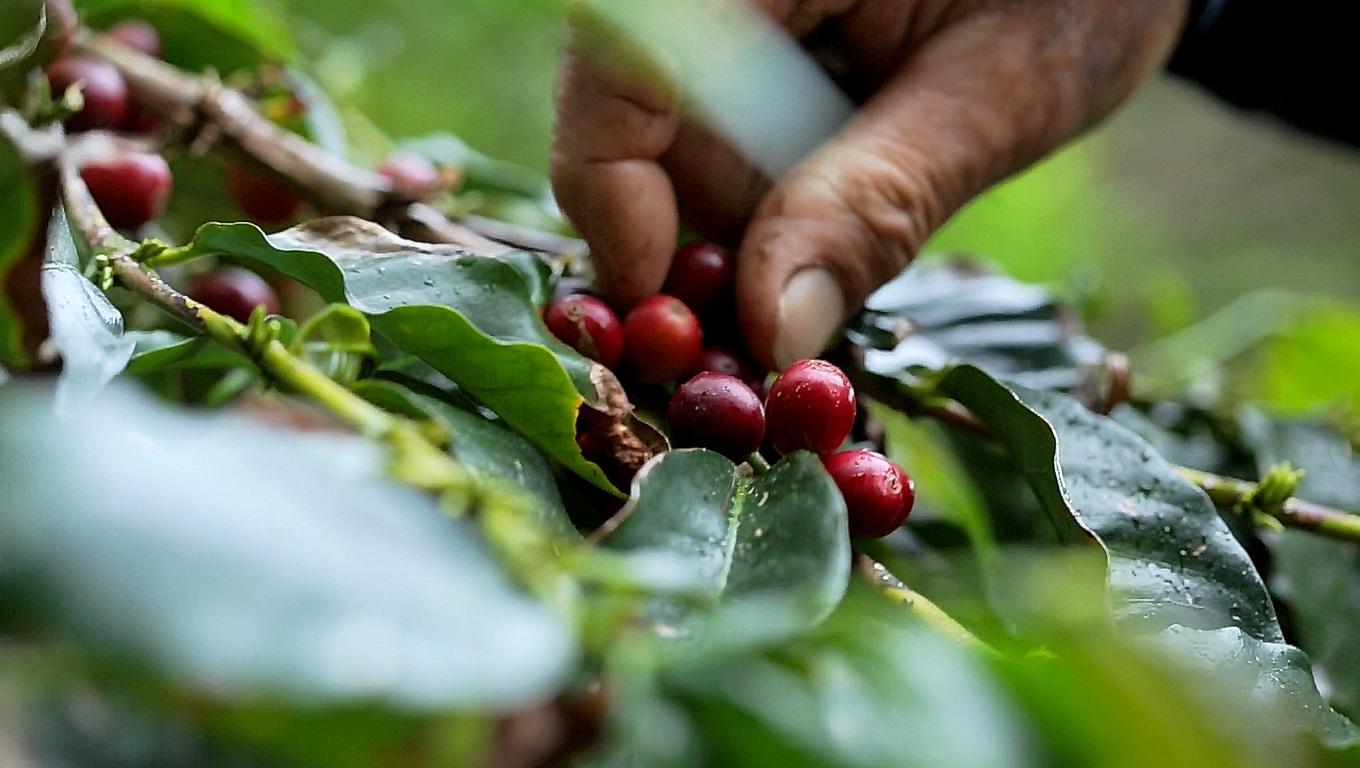
(C) Café Nunes @ Google
O café é biológico e não recorre a químicos. Não há insetos na ilha que ameacem os grãos e por isso não usam pesticidas. O clima da Fajã é bom para o café, a altitude é baixa, possui muita humidade e o solo é fértil, clima ideal para a produção do famoso café da fajã dos Vimes.
O café é colhido entre os meses de maio e setembro, mas tudo depende do tempo e de quando elas estarão prontas para a colheita.
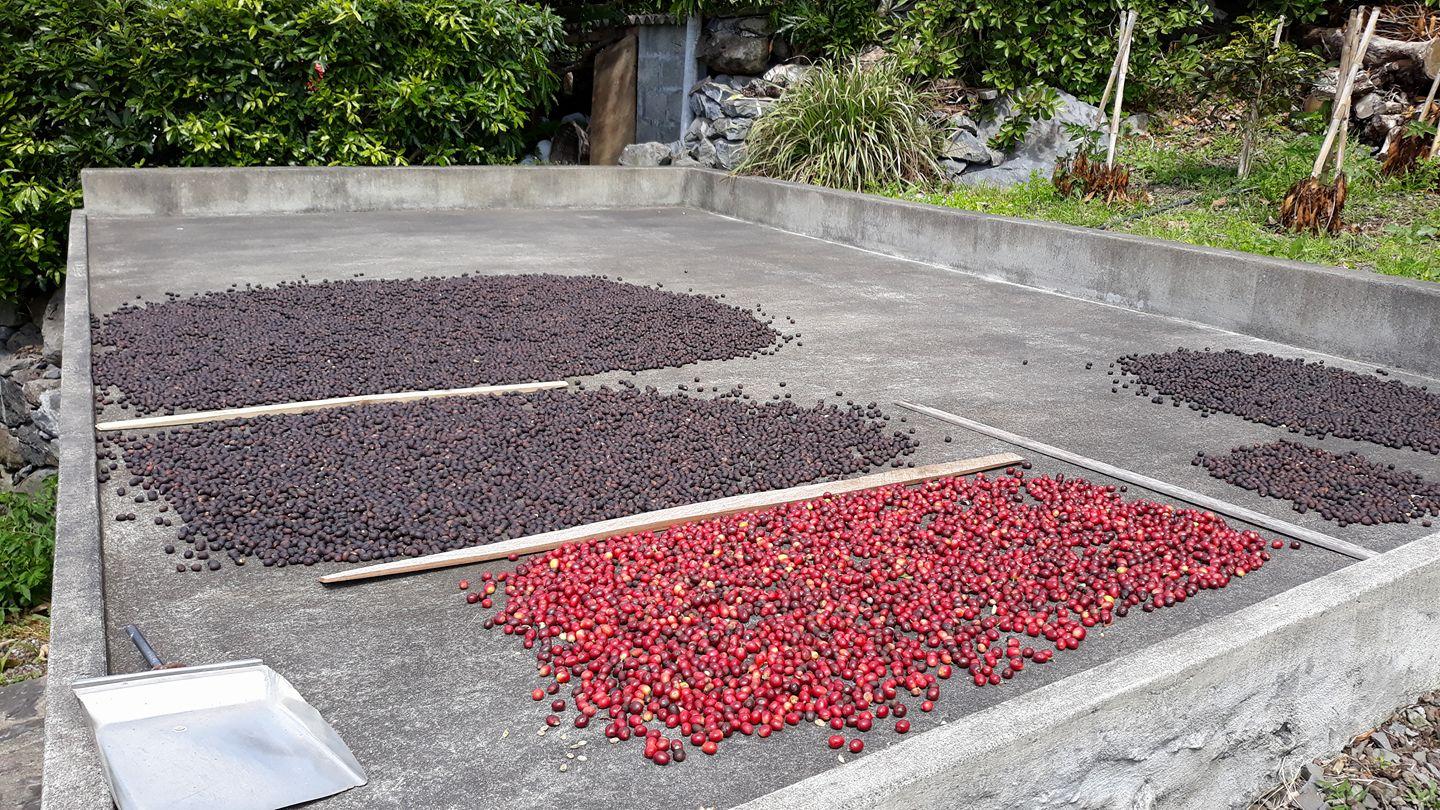
(C) Casa de Artesanato Nunes @ Facebook
O Café Nunes
O Café Nunes foi criado em 1997 é o único café da ilha que serve o famoso Café da Fajã dos Vimes. Muitos turistas viajam quilómetros até chegar à fajã dos Vimes somente para provar o café.
O senhor Manuel Nunes, apesar de já ter recebido propostas, nunca aceitou comercializar o seu café, sendo o mesmo vendido apenas no seu estabelecimento. O principal fator é por ser uma produção relativamente pequena comparado a outras produções. Além disso, a produção é manual e ele faz quase tudo sozinho.
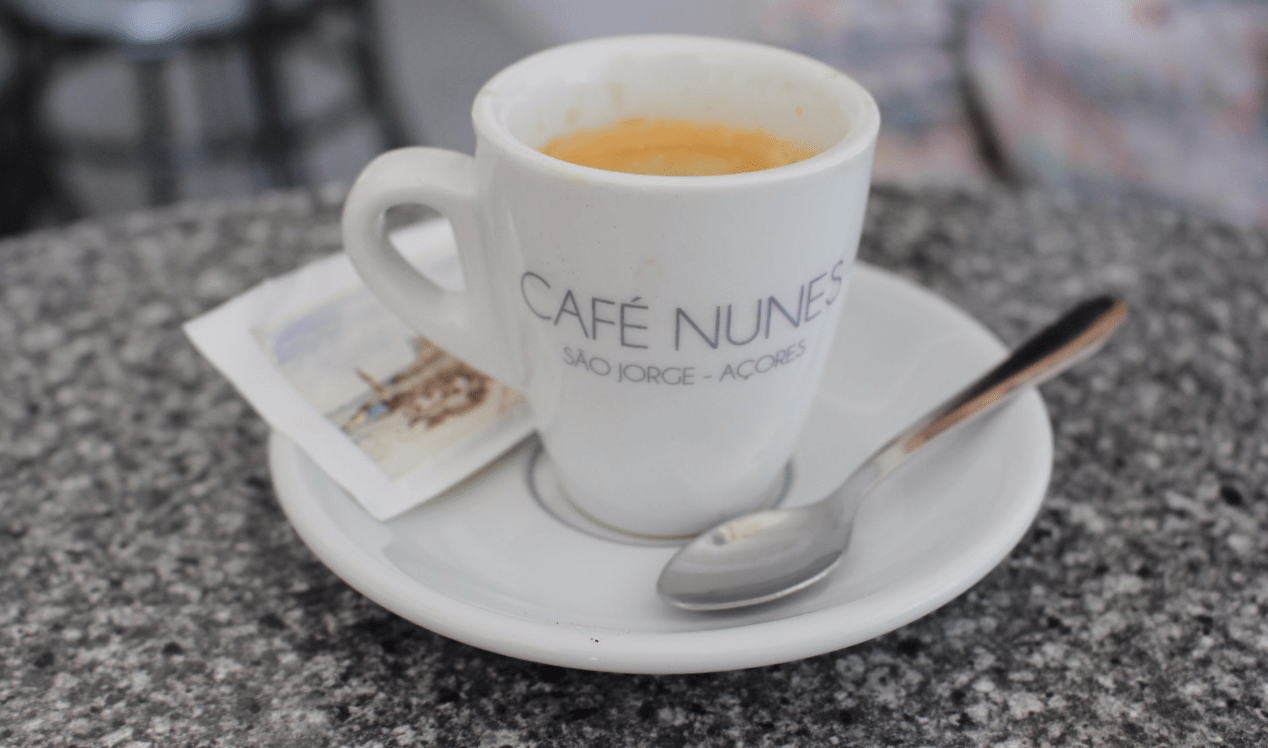
(C) carlos4100 @ TripAdvisor
Antes de criar o estabelecimento Café Nunes, o senhor Manuel plantava o café apenas para o consumo próprio. Aproveitava a loja de artesanato da mulher e servia os cafés para os clientes do artesanato.
Actualmente os turistas chegam à fajã para conhecer a plantação, experimentar o café, levar alguns saquinhos para casa, mas além disso também aproveitam para conhecer a loja de artesanato no andar de cima.
Casa de Artesanato Nunes
Além do Café Nunes, a Casa de Artesanato Nunes também é muito conhecida na Fajã. Elvira Nunes, esposa de Manuel Nunes, e a sua irmã fazem colchas de ponto alto e tapetes, essa é uma produção única da Fajã dos Vimes.
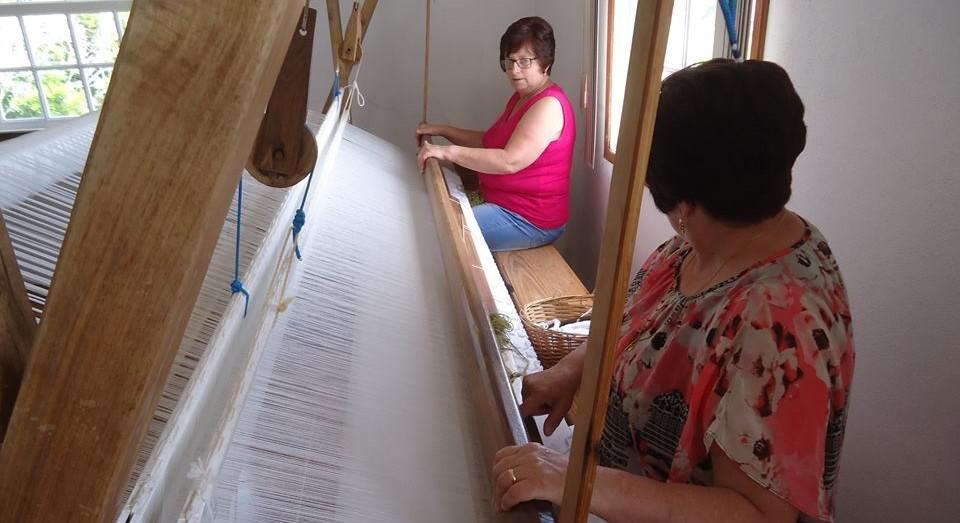
(C) Rádio Lumena
A loja de artesanato fica no segundo andar do Café Nunes. Elas usam um tear de madeira e misturando os novelos tradicionais com os coloridos e usam uma técnica que foi passada por gerações.
O Café Nunes, juntamente com toda a sua história, atrai turistas de vários lugares da ilha e do mundo. A fama do café já se espalhou pelos quatro cantos do mundo, tanto por ser o único café biológico produzido na Europa, quanto pelo seu sabor e características diferenciadas.
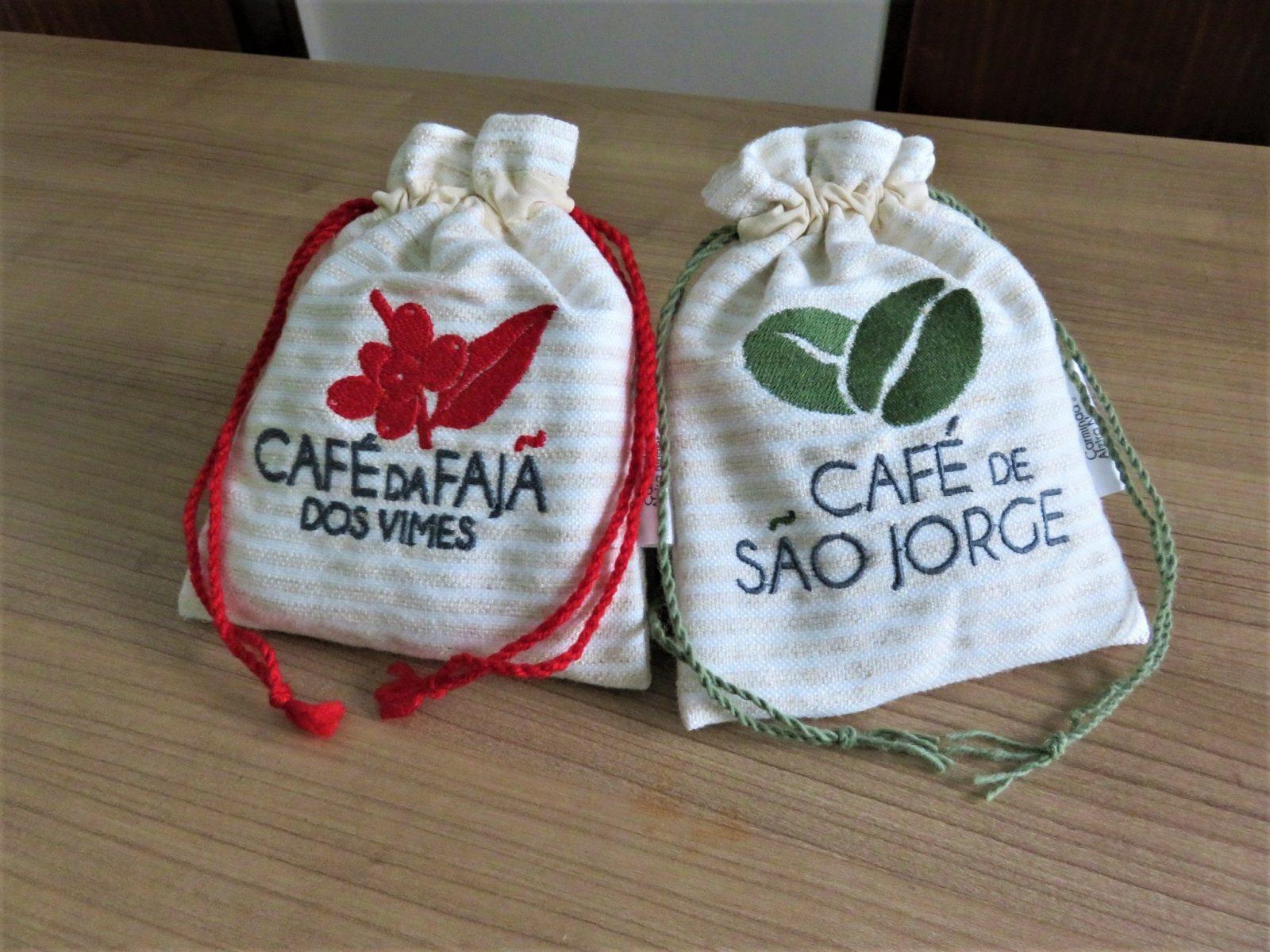
(C) Casa de Artesanato Nunes @ Facebook
Localização e Contactos
Localização no Mapa
Morada
Fajã dos Vimes,138
9850-213 Sao Jorge
Telefone
+351 295 416 717
Vídeo


- 🔒 Seguro de viagem com 15% desconto para os Açores ou outro destino Clique aqui para simular >
- 🛫 Procura viagens para os Açores? Veja estas promoções >
- 🚘 Alugar viatura nos Açores? As melhores rent-a-car >
- 🧗🏼♂️ Actividades e Experiências durante a sua estadia? Confira aqui >
- 🐳 Ver Baleias e Golfinhos? Reserve já online >
- ❌ Teve um Voo Cancelado ou Atrasado nos últimos 3 anos? Receba aqui a sua compensação >